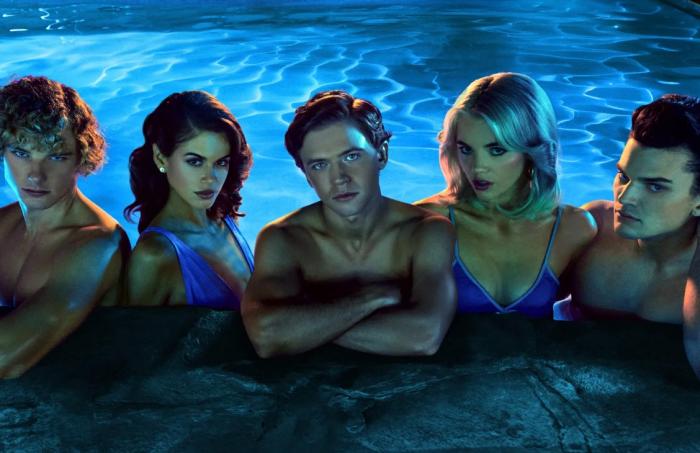
Read my review of ‘The Shards’ on Pajiba.com
Read my review of ‘The Shards’ on Pajiba.com
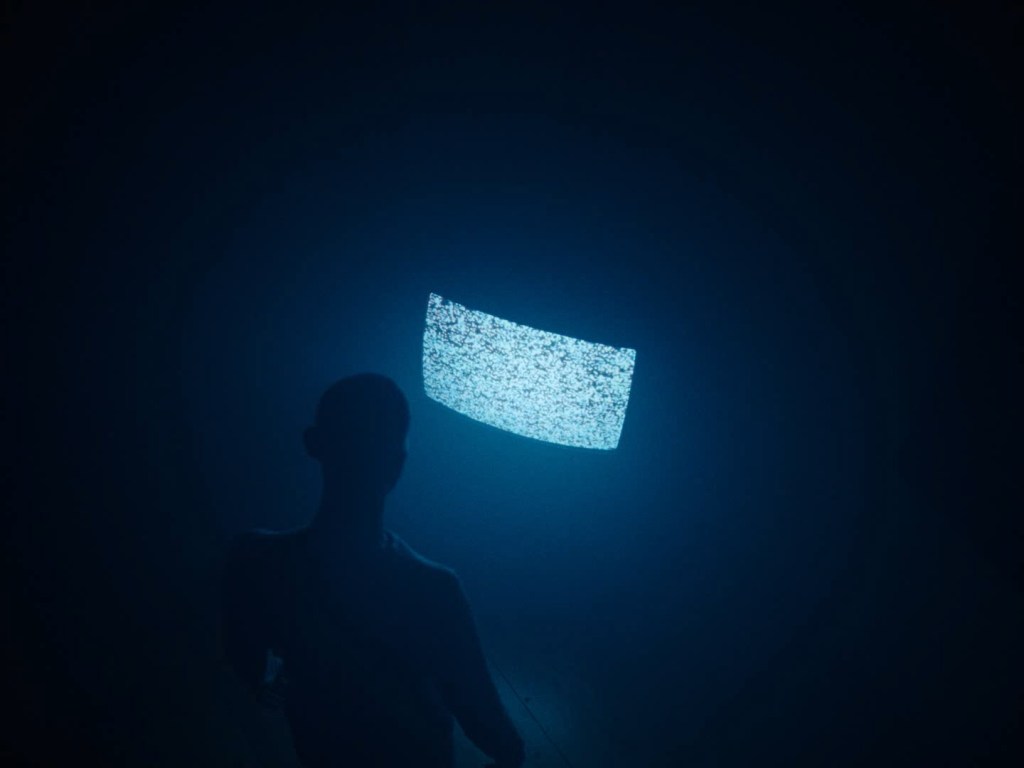
It can be challenging to find new ways to spin Found Footage. Many have done it, using things like Screen Life or mockumentaries to get scares from in-world recorded videos. Mashing it will technology as a conduit to connections to the supernatural, there arises other ways to squeeze terror from lenses and blinking red lights. That’s what Death of a Yellow Bird does, using a VHS camera and old videos as a medium between the living and the dead.
Ari Millen (sprinting to his moniker as a Canadian Horror Darling) leads as a man who has chosen to refuse treatment for his cancer and to visit his childhood home to gain a sense of closure. Digging through family relics, he dusts off some home movies that take him back to a time with his late younger brother, Danny. While his family is trying to pluck him out of his dour exploration, he falls deeper into his dark project when he discovers that Danny seems to be able to communicate with him through the retro camcorder. Speaking in code, as ghosts often do, Danny seems to feed him cryptic information trying to coax him to find the truth about his death. Flashes of a sparkling childhood, a mother with memory issues, and a sneering father, raise questions of reality, truth, and what levels of grief any one of us is able to accept.
This project was very personal for writer director Cody Calahan, as well as his lead. They used their art as a gateway to explore their challenging experiences in the way a camera was a gateway to another world. It feels baked into the story, how a man is in turmoil during his supernatural experience, willing to forgo anything rational on his quest for closure.
“The team behind Undertone” is an apt label, even though the creatives are different (Calahan produced that one, and his usual collaborators from Black Fawn worked somewhere on both). Like that horror banger, this one focuses on a single seen character in a trauma filled childhood home whose only connection to the outside world comes via phone call. Similarly, the lead is left to their own devices, often trying to find real-world corporeal connections to the audio that gets to them through their devices. But Millen’s character is doing something very different, dealing with sadness more than fear, as he focuses his energy on solving something instead of running from it.
It’s “grief” horror, but Death of a Yellowbird is using a medium mashup to explore that. There are jump scares, some brooding moments, and it’s all part of a slow burn leaving its lead to discover something more terrifying than the reality already set up in its opening. Videos are yellow tinted and shiny, the present is blue tinted and grim, and the movie revels in the lead slowly pulling those images together.
Death of a Yellow Bird had its world premiere Fantastic Fest 2026
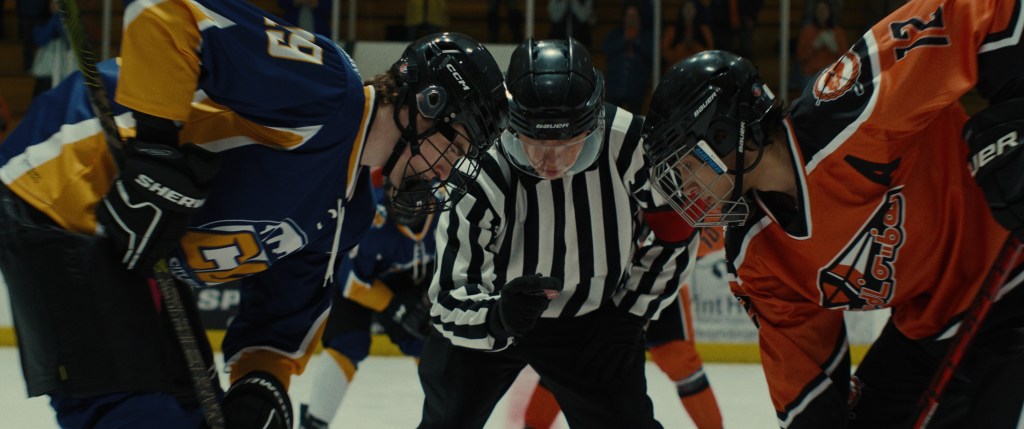
When describing the iteration of his decade-in-the-making hockey movie, Cody Lightning explained how his comedy morphed into a dramedy the more he explored the heavy concepts related to his story. For young indigenous hockey players, racism, sexism, drugs, poverty, and the like informed the themes of his story which altered its genre.
And though they’re ultimately on different ice rinks, his story has a lot in common with everyone’s favourite story of an underdog hockey team, The Mighty Ducks. A messy, begrudged coach, a coed team, a player who’s outgrown the league, and a league they have to try to live up to all inform the story of both of these teams, but with the Cree creator steeping his in indigeneity, there are marked differences in themes and tone.
The Treat 6 Blades are a struggling rag tag group. Their skillset is spread and they experience overt racism from the league and their rough coach (Ed Helms, playing against type as a harsh retired hockey player raining terror upon his team). When they’re kicked out of their league for playing rough (one bad hit is all it takes for a team of indigenous youth), they band together with a scrappy new coach in it for all the wrong reasons. The kids have big dreams that they hope hockey can deliver to them, so losing a league spot is an unfathomable hit. They’ll have to rely on their coach to straighten himself up and then them so they can have a chance at battling on the ice in a world where fairness isn’t an option.
Though the team and coach are scrappy and rag tag, this is hardly a comedy story. The kids’ parents struggle with drugs, money, and views on sexuality. The kids themselves are forced to manage that on their own, if that means begging for their equipment back from a pawn shop or bearing the weight of being a family’s golden goose. Lightning’s story is often pitch black, and he resists even a quip on the ice for levity.
But that’s the story he’s telling, something different from the snappy funny indigenous hockey tales peppered into Letterkenny or Shoresy. He’s not shying away from a bleak reality, he is using hockey to portray it and also to create a space of hope and light for the youth on his screen.
The hockey scenes don’t always look smooth or professional, though some of the actors are hockey players first. But there’s a distinct awareness of shooting (film, not pucks) on the ice, and scenes in the rink look slick though naturalistic. Much of the drama takes place in a dingy bar, a chipping locker room, or a rink’s parking lot which will feel like familiar locales for life for anyone who’s been a youth chasing the show (or anyone who’s consumed other hockey flicks like Goon). The story feels true and honest and gives hope to young people up against odds they might not be able to overcome.
Smudge the Blades isn’t a feel-good underdog sports story, but it shares that DNA. It’s a sometimes bleak but otherwise beautiful story about team sports and how they create found family, opportunity, and camaraderie in a world where you’re asked to shoot from the red line.

Check out my Fantasia Diary on FANGORIA.COM
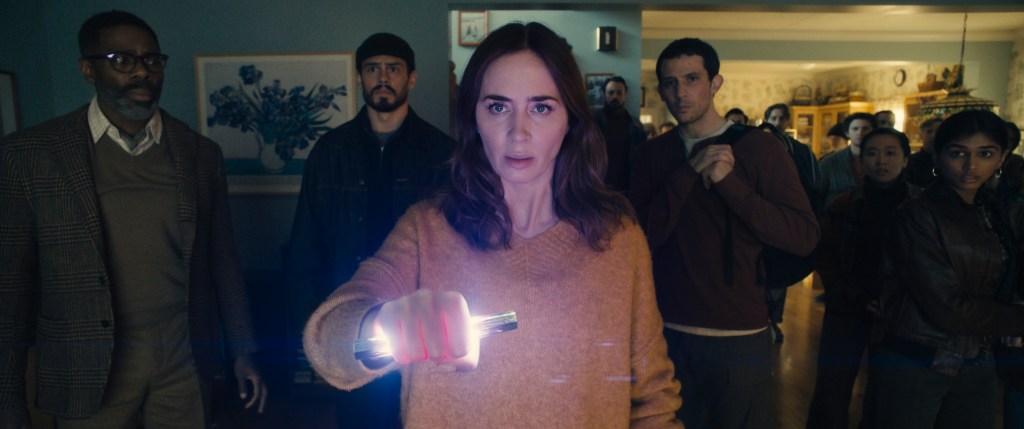
Of course it’s being touted as Spielberg’s best in twenty years. The guy who made E.T., Jurassic Park, and Close Encounters of the Third Kind has spent the last couple decades veering into BFG and Ready Player One. A grand return to hard sci-fi is no doubt anticipated by audiences excited to see what it’s like to have the rightfully revered filmmaker back on his best beat. There’s no shortage of excitement when a lens flare or a reference to outer space pops up on the silver screen, but for his grand return, Spielberg’s story about government secrets, regular people, and alien invasions feels like a flat trip on the outskirts of different genres mired by unfinished ideas about our world.
Emily Blunt, in what I might deem a career best performance developing a character very out-of-type, is one of two major leads alongside Josh O’Connor who is working really hard to act through his accent. There’s most nothing to connect the vapid but ambitious weather woman to an on-the-run tech genius, but their paths inevitably cross based on some unexplainable universal pull. Daniel (O’Connor) is running from a spooky private contractor tasked by the government with keeping some secret they believe humanity cannot handle. A change of heart leaves him trying to deliver hard drives full of footage to his handler so they can reveal it to the masses. Margaret (Blunt) was a weather woman when she started her day, but after a mysterious visit from a cardinal, she is suddenly able to speak and understand multiple languages, compel people with psychic knowledge, and just knows she has to find Daniel. In the middle is Hugo (Coleman Domingo) trying to support their paths to each other so they can solve something and inform the world of what has been happening on the other side of a dark curtain that even the president hasn’t seen behind.
It’s one part chase movie and one part heady science fiction and manages to spread too far between those things to excel at either. A quiet heady drama about whether the people can or should be ethically given this kind of information is interrupted for oddly shot chase scenes and action sequences that will really remind you you’re not watching Minority Report but something a bit like it. “As good as his other movie” is not a fair or accurate metric but where that movie managed to blend ethics and philosophy into science fiction action, Disclosure Day seems to clunkily ramrod a train sequence into a half-baked idea about ethics and disclosure in an attempt to keep it exciting. Conversations about the ethics are cut off, notions of private companies with government contracts are passing fodder, and the religious subplot to support extra-terrestrial beings is starkly out of place. Sci-fi mumbo jumbo and more interesting expansions on alien powers are left unexplained, and entire world war happens quietly in the background. My best attempt at giving credit to a team as otherwise exceptional as Spielberg and co-writer, David Koepp, is to wonder if it’s about the secrets kept from the masses and how if we were forced to face the visual truth of what actions are doing to harm living things, we might adjust our perspective and actions. Unfortunately, this read puts a lot of faith in the idea that people would immediately trust a leaked alien autopsy.
Disclosure Day is magical because it puts a great back in his wheelhouse and has a wicked actress stretching beyond hers. But its unfortunately confusing morality conversations and flimsy plot devices makes for a bit of a strange slog that’ll make you want to see any other alien come walking out of any other ship.
Disclosure Day hits theaters June 12, 2026.
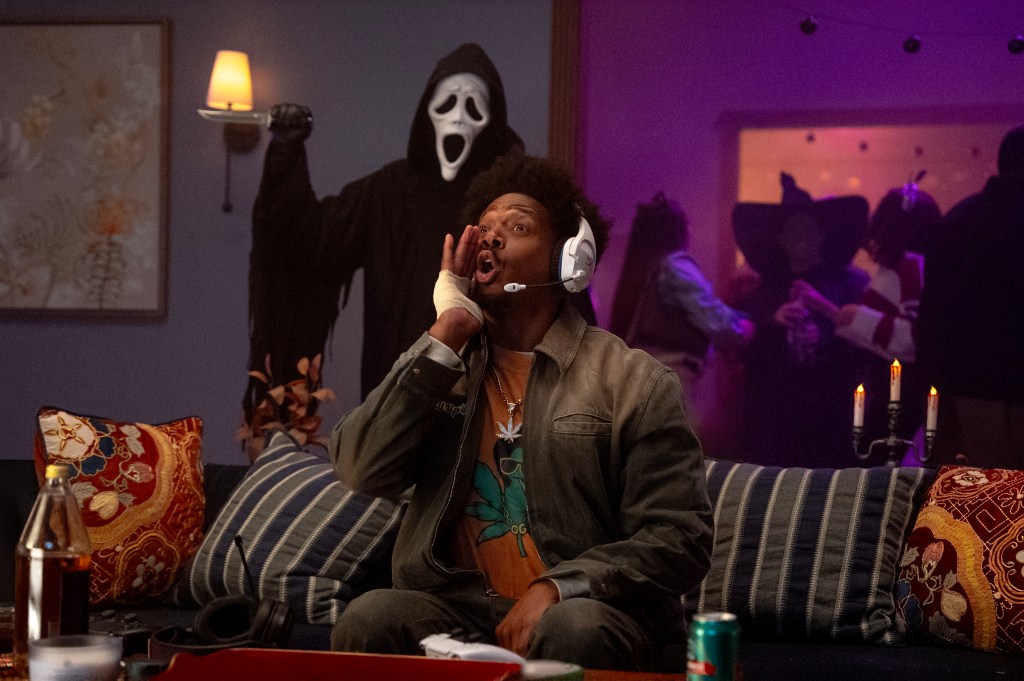
Check out my review of ‘Scary Movie’ on Pajiba.com
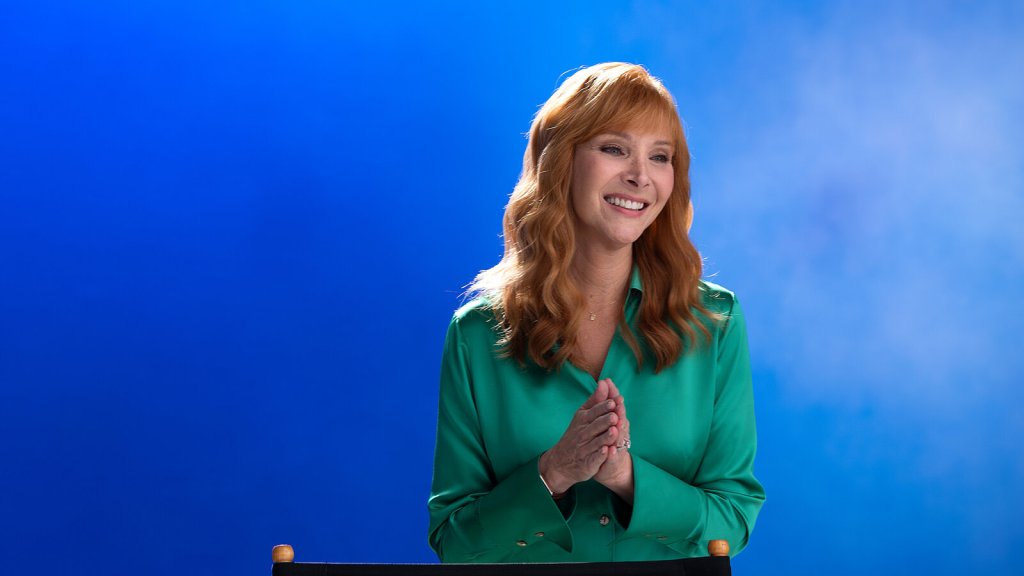
Check out my spot on the Series Finale of The Comeback on Pajiba.com
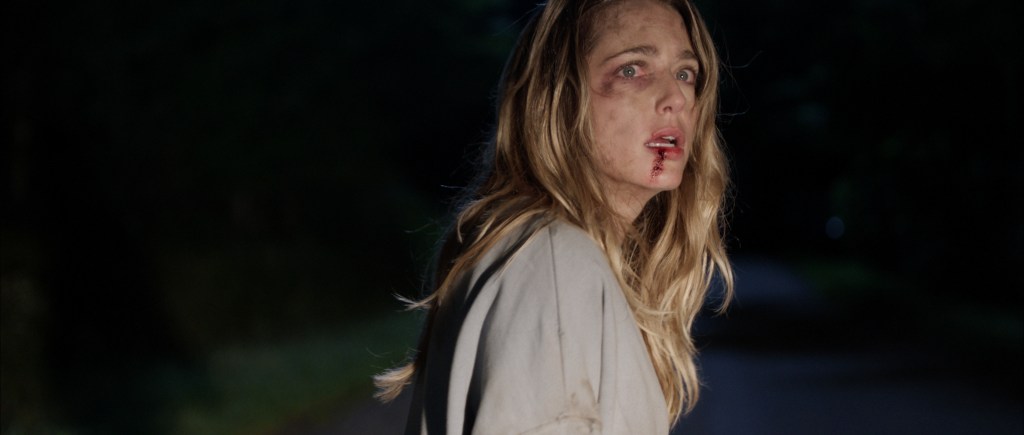
Check out my review of Affection on Pajiba.com
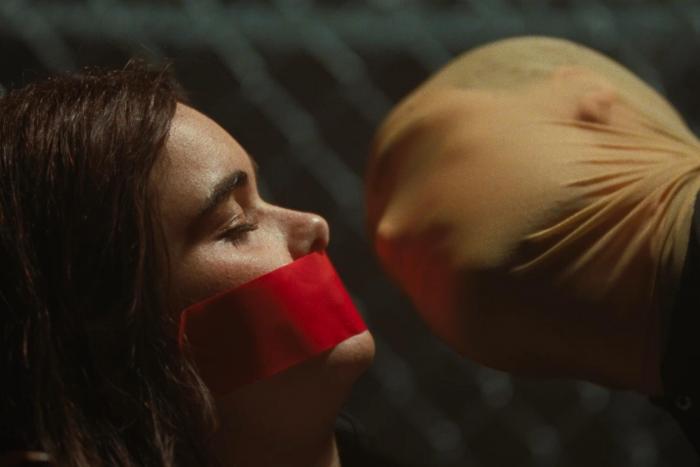
Check out my review of Faces of Death on Pajiba.com
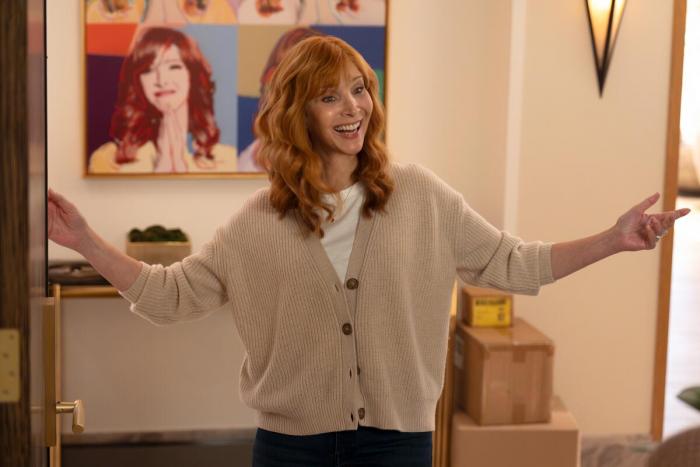
Check out my thoughts about The Comeback Season 3 on Pajiba.com

